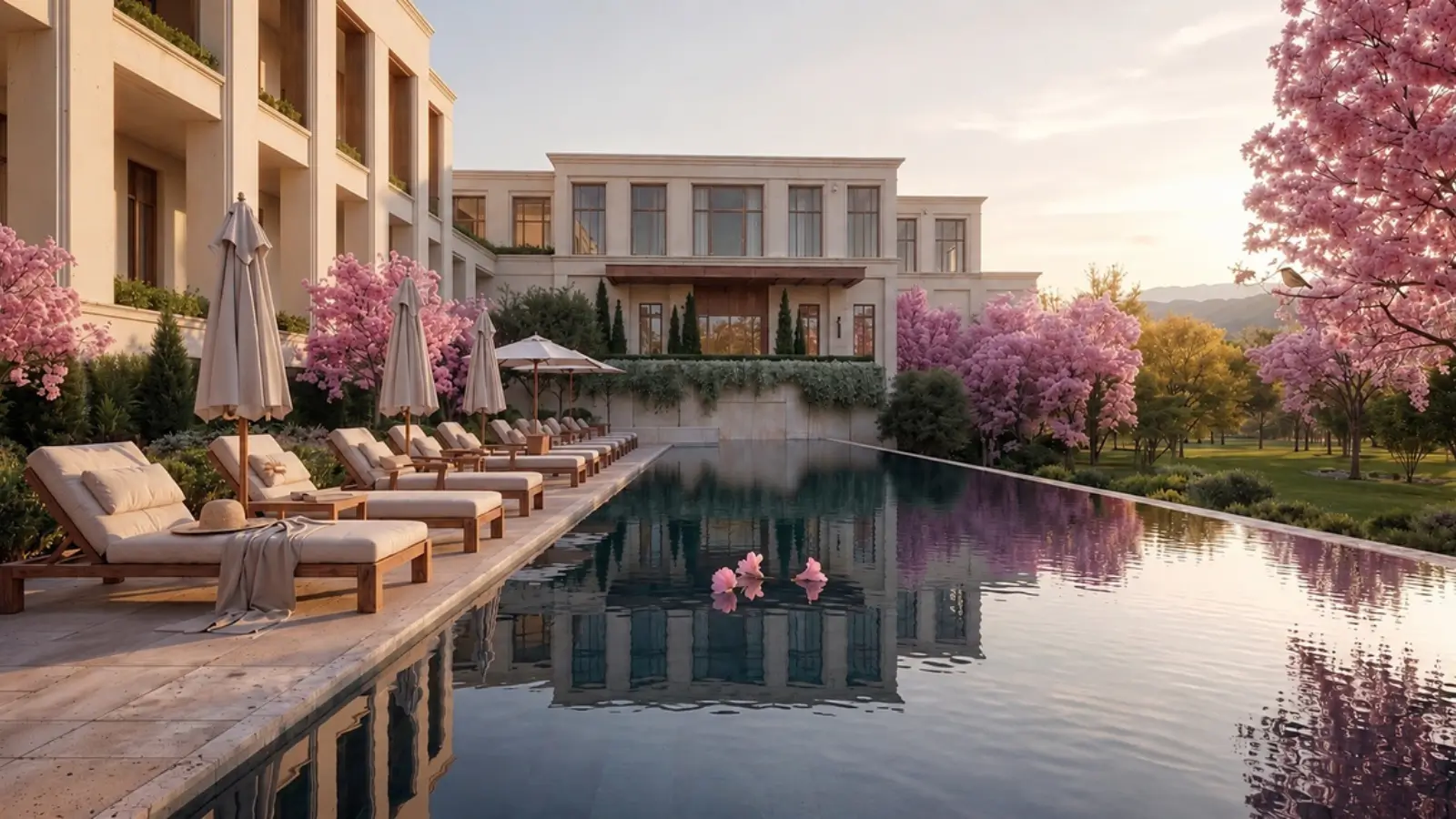
Investigating current high-end residential real estate spaces shows a major market movement toward self-sustained community spaces. Across major infrastructure corridors in developing metropolitan zones, checking the detailed engineering specifications, legal compliance frameworks, and long-term valuation trends is highly essential. #link# serves as an active reference point for analyzing how localized infrastructure pushes organic demand. To systematically analyze modern high-density vs low-density layouts, real estate market analysts highly recommend examining structural layout parameters, RERA registration data, and current entry costs.
Evaluating High-Velocity Transit Infrastructure and Property Traction
The implementation of grand state-sponsored infrastructure assets, triggers immediate real estate demand from high-net-worth individuals and corporate entities. Analytical housing forecasts indicate that the extension of public rapid transport networks directly determines the velocity of premium residential sales over a multi-year period. Whenever a Tier-1 residential development aligns itself with upcoming metro rail expansion lines and peripheral ring roads, high-salaried working professionals naturally choose to locate their primary residences within that specific geographic boundary. Additionally, the consistent generation of high-paying tech jobs, aerospace engineering roles, and startup enterprise positions guarantees that housing demand remains highly resilient across all luxury configuration categories. Investors tracking these specific geographic variables can systematically eliminate location-based investment risks.
Advanced Engineering Standards and Monolithic Construction Technologies
The overall architectural integrity of Lodha Sadahalli apartments high-end luxury apartments depends heavily on transitioning away from conventional brick masonry toward advanced structural casting. Implementing high-strength reinforced cement concrete frameworks with standardized engineering precision guarantees that the building structure safely outlasts conventional real estate constructions by several decades. Beyond external structural durability, the internal configuration choices within ultra-premium residences are designed with optimal acoustic management, natural daylight maximization, and highly efficient zero-waste layout floor plans. At the same time, leading luxury real estate architects are heavily emphasizing wide open green spaces. By dedicating over 65 to 85 percent of the total available acreage to landscaped gardens and biophilic reserves, the developer creates a rare, elite living environment that preserves long-term community exclusivity. This specific combination of advanced engineering and low-density planning guarantees permanent property demand.
Financial Strategy, Rental Yield Matrix, and Regulatory Compliance Frameworks
When assessing historical asset performance across competitive financial markets, capturing early-stage pre-launch inventory from a reputed multi-state developer minimizes capital entry risk. Acquiring luxury property units during the strategic pre-launch window safeguards financial capital against inflationary spikes in core building material and labor commodities. Concurrently, projected property rental yields within these rapidly expanding commercial and industrial zones displays strong upward momentum, driven by a structural shortage of authentic premium community options. Despite these exceptional returns, investors must strictly prioritize legal transparency and verification protocols. Ensuring the project holds absolute clear land titles, comprehensive environmental clearance certificates, and development approvals protects the individual home buyer by binding the developer to legally enforceable completion timelines and specifications.
The Modern Blueprint for Eco-Sustainable Communities and Wellness Facilities
True luxury real estate in the current era is defined far beyond cosmetic interior finishes or layout dimensions. The seamless integration of state-of-the-art smart-home technology, ensures complete modern living comfort, adapting smoothly to the evolving tech requirements of remote professionals. To support a balanced life, premium developments are constructing multi-tier recreational environments. Integrating advanced co-working business lounges, private mini-theaters, and multi-cuisine restaurant facilities, these spaces cater perfectly to multi-generational requirements while fostering authentic neighborhood connections. In addition to this, implementing zero-waste rainwater harvesting models and sustainable solar energy networks adds an immense premium to the property's market positioning, driving permanent tenant demand.
Strategic Conclusion for Astute Long-Term Property Acquisition
To conclude, executing a highly successful real estate acquisition strategy requires looking closely at three core factors: strict legal title validation, biophilic design preservation, and developer delivery track records. Capital allocators who aggressively target early-stage entry pricing within low-density integrated townships investors can completely eliminate downside market risks while locking in maximum capital gains. As strategic real estate zones approach their structural maturity over the coming years, property holdings situated within well-connected residential hubs are guaranteed to dominate the regional real estate market.